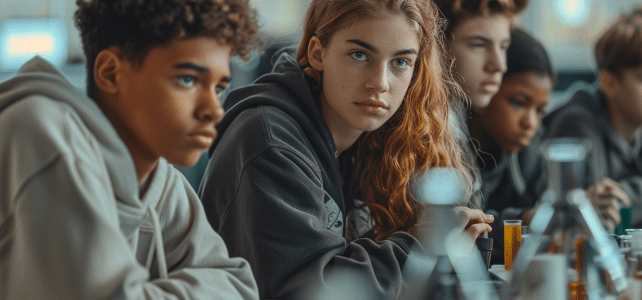
In the most remote regions as well as in urban centers, education is undergoing a true revolution. Everywhere, innovative initiatives are emerging, transforming traditional learning methods. From classrooms equipped with digital tablets to educational vegetable gardens, tools and approaches are diversifying to meet students’ needs in a more interactive and engaging way.
These regional projects reflect a desire to reinvent education to make it more inclusive and suited to contemporary challenges. They highlight creative solutions, often arising from collaborations between schools, local communities, and businesses, aimed at enriching the educational experience of young people.
Regional Initiatives in Education: Concrete Examples
In Auvergne, the project My Class in Auvergne offers an innovative approach to digital learning. With connected tablets, students explore interactive and personalized educational resources. This setup fosters engagement and allows teachers to track each student’s progress in real-time.
In Lille, the initiative from Drane stands out with its training plan integrating artificial intelligence. Teachers are trained in the use of these technologies to develop digital skills in their students. This approach allows for the adaptation of educational content to the specific needs of students, thereby enhancing their learning.
Diverse Educational Projects
In Brittany, outdoor learning is prioritized. Forest classes allow students to discover nature while developing scientific and environmental skills. This method encourages children’s autonomy and critical thinking.
- In Bordeaux, the University offers flipped classroom programs. Students access online courses before coming to class for practical sessions and discussions. This method promotes active learning and collaboration.
- In Grenoble, gamification of learning is used to motivate students. Interactive educational games are integrated into the school curriculum, providing immediate feedback and stimulating engagement.
The diversity of regional initiatives illustrates the richness of pedagogical approaches in France. Each project, whether it involves the integration of new technologies or outdoor learning, aims to provide students with a more dynamic education tailored to their needs.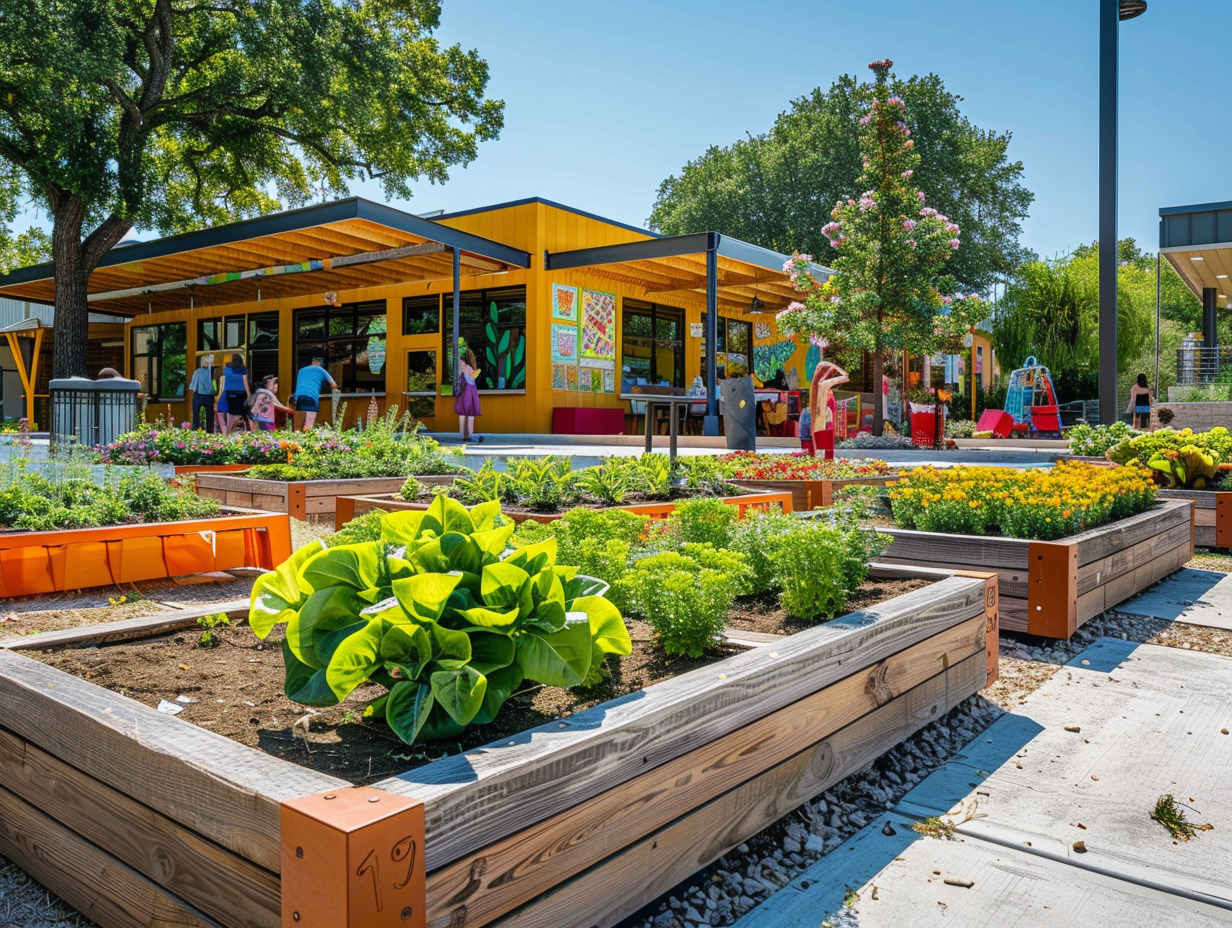
The Impacts of New Learning Methods on Students
Innovative learning experiences are profoundly changing the educational landscape in France. In a recent webinar, François Muller and Vanessa Lalo presented the benefits of these new pedagogical approaches on students.
Project-Based Learning
This method fosters student engagement and develops transferable skills. Students learn in depth and benefit from authentic assessment. Time management and complex evaluation can pose challenges.
Flipped Classroom
The flipped classroom encourages active learning and interaction in class. It allows for personalized teaching and offers increased flexibility. Technological access and preparation can be obstacles.
Gamification of Learning
The use of gamification in education motivates students and encourages collaborative learning. It provides immediate feedback and adapts to students’ needs. However, it can lead to distractions and a dependency on rewards.
- Peer Teaching: improves understanding and develops social skills. Quality can vary and assessment can be difficult.
- Cooperative Learning: promotes active engagement and mutual support. Challenges include time management and group dynamics.
- Outdoor Learning: highly engaging, but assessment can be challenging.
Research shows that new pedagogical methods, while presenting challenges, bring significant benefits for students. The development of varied skills, increased engagement, and adaptability are concrete examples of this.