Current cosmetic formulations are changing paradigms faster than marketing cycles might suggest. Behind the seasonal product launches, three structural mutations are reshaping the market: reformulation around targeted active ingredients, a shift in packaging towards high-end refillable systems, and the integration of algorithmic personalization into skincare routines.
Concentrated actives and anhydrous formulations: what is really changing in skincare
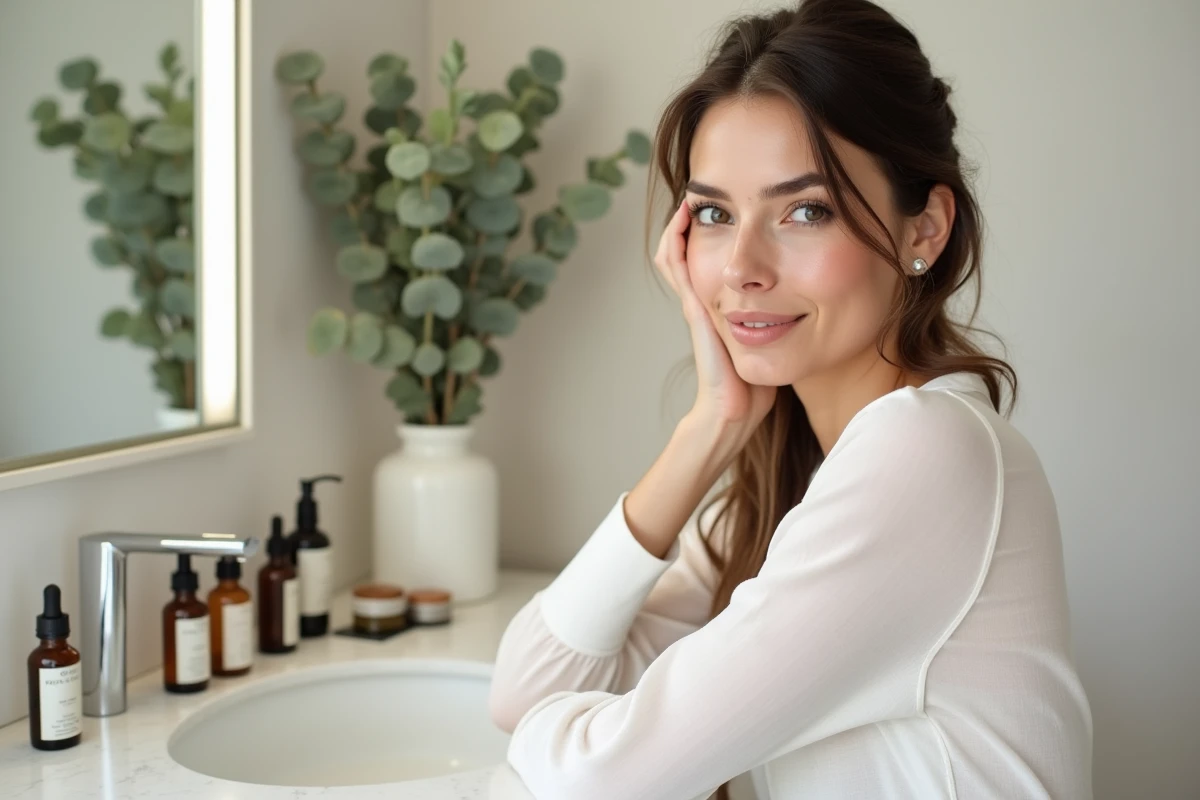
The most underestimated trend in recent launches is not a star ingredient but a galenic choice. Anhydrous formulations (without water) are multiplying in facial and body care, with a direct impact on the concentration of actives and the stability of the principles.
Less aqueous phase means fewer preservatives, a lighter package, and travel-friendly formats. We are seeing several brands reposition their ranges around this lever, including in the organic segment.
- Concentrated oil serums are gradually replacing gel-cream textures in the premium segment, with significantly higher active ingredient levels per dose
- Multi-use solid balms (for face, lips, hands) are gaining ground in selective perfumery, driven by reduced packaging
- Reconstitutable powders (masks, cleansers) allow for the complete elimination of the aqueous phase and extend shelf life without the use of parabens
This galenic shift forces brands to rethink their production chains. Cold mixing equipment, small-format packaging lines, and stability tests on anhydrous matrices represent heavy investments, rarely mentioned in “trend”-oriented content but crucial for the credibility of the results displayed on the label.
As shown by the news on Beauté en Folie, these fundamental evolutions are also transforming how consumers evaluate a product, paying more attention to the INCI list than to brand storytelling.
Premium refillable packaging: beyond the ecological gesture
Refillable packaging restructures the entire value chain of luxury cosmetics. The Édition Spéciale by Luxe Pack 2026 show, dedicated to sustainable premium packaging, highlighted a clear shift towards refillable packs made from recycled or bio-sourced materials.
This movement goes beyond a simple environmental promise. A refillable bottle changes the commercial relationship: it fosters loyalty through the container as much as through the content. Brands investing in a high-end refillable case are betting on a higher repurchase rate, as the consumer already owns the item.
Advanced recycled materials and design
Post-consumer recycled plastics (PCR) now achieve transparency and tactile qualities comparable to virgin plastic. In the fragrance and skincare segment, recycled aluminum and lightweight glass dominate new launches.
The challenge remains the compatibility of the refill system with regulatory preservation constraints. A repeated opening-closing mechanism alters the product’s exposure to air and light, necessitating reformulation or the integration of airless systems into the refill itself.
Algorithmic personalization of beauty routines
Data analysis applied to individual skin has become a priority growth axis in the aesthetic market. AI-driven skin diagnostics, offered in-store or via mobile app, no longer just recommend a type of cream. They build complete routines by cross-referencing skin barrier status, environmental exposure, and product history.
We recommend distinguishing two levels of personalization that coexist in the current market:
- Personalization through enriched questionnaires, which segments profiles into a few dozen predefined combinations. This is the most widespread model in beauty e-commerce
- Real-time machine learning personalization, where the algorithm adjusts ingredient and texture recommendations based on user feedback. This model remains concentrated among a few technological players
- Diagnostic booths in selective perfumery, which combine skin imaging and active ingredient databases to offer a custom serum or treatment at the point of sale
The limitation of these technologies lies in the quality of the training data. An algorithm calibrated on a poorly diversified panel reproduces classic formulation biases. Brands that invest in broad and representative panels achieve more reliable recommendations, particularly for darker skin tones and reactive skin.
Holistic rituals and sensory beauty in-store
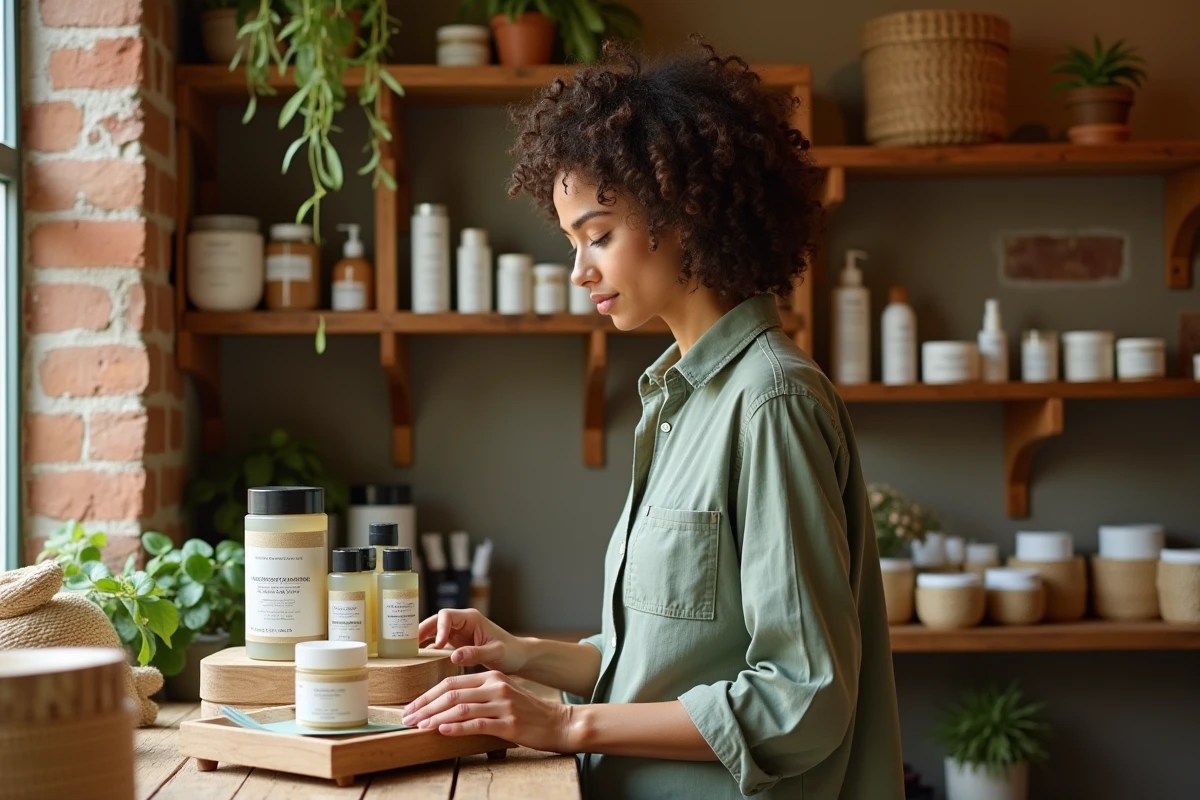
Investments in holistic beauty spaces and rituals have significantly increased in recent years. Urban spas, sensory booths in perfumery, integrated wellness offerings in hospitality: in-store treatments are becoming a full-fledged product discovery channel.
This trend responds to a demand that e-commerce does not satisfy: the sensory experience. Testing a texture, smelling a fragrance on the skin, observing the immediate results of a protocol. Brands that open dedicated spaces for these rituals see a post-experience conversion rate much higher than that of online consultations.
In-store technologies: combined LED and diagnostics
LED masks, long confined to specialized aesthetic medicine institutes, are becoming mainstream in traditional beauty booths. When combined with prior algorithmic diagnostics, they allow for wavelength adjustments to meet identified skin needs (redness, loss of firmness, pigmentation irregularities).
The protocol combining AI diagnostics and LED treatment in-store represents the most concrete convergence between technologies and sensory care. It is no longer a professional salon gadget but a service offered in an increasing number of selective points of sale.
The beauty market in 2026 is structured around more concentrated formulations, packaging designed to last through multiple purchase cycles, and personalization tools that go beyond simple questionnaires. These three axes share a common point: they require brands to invest at a technical level that increasingly separates those capable of proving their results from those who merely follow the visual codes of the moment.